
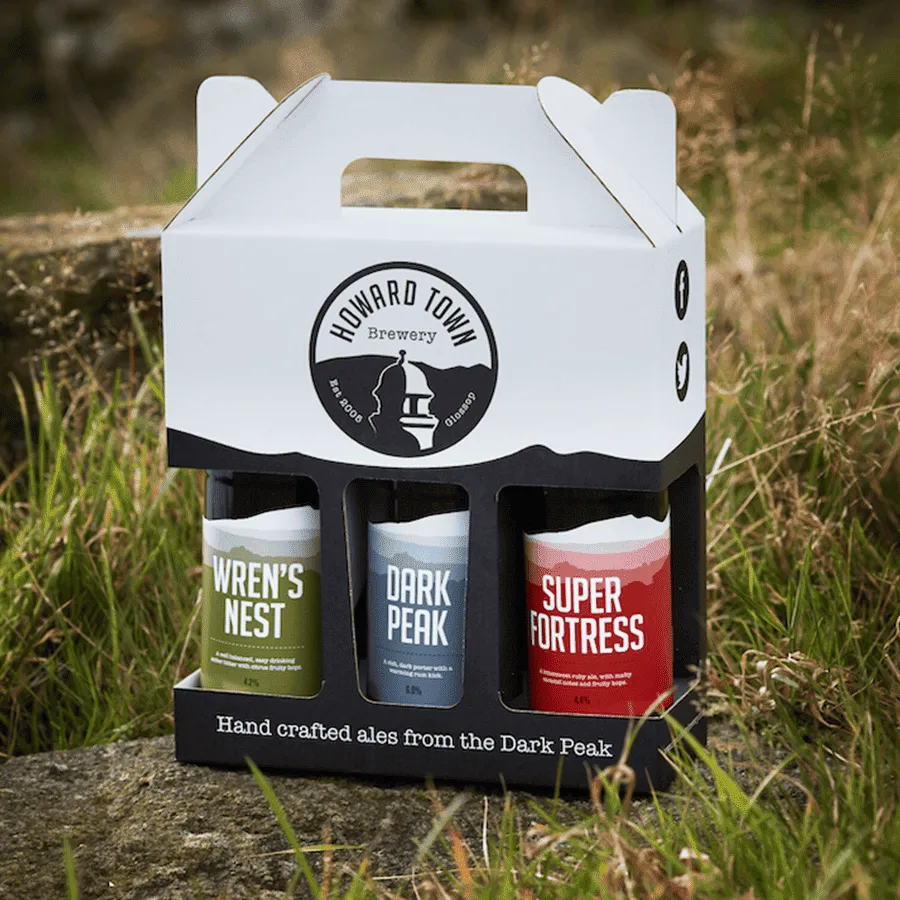


In the bustling aisles of a supermarket or a store, where countless products compete for attention, one element plays a pivotal role in catching the eye of a potential buyer: the label. In the world of consumer goods, the label design isn’t just an accessory; it’s a critical tool for brands to differentiate themselves and captivate consumers in a split second. Let’s delve into why the art of standing out on the shelf is so crucial and the impact label design has on consumer choices.
The First Impression
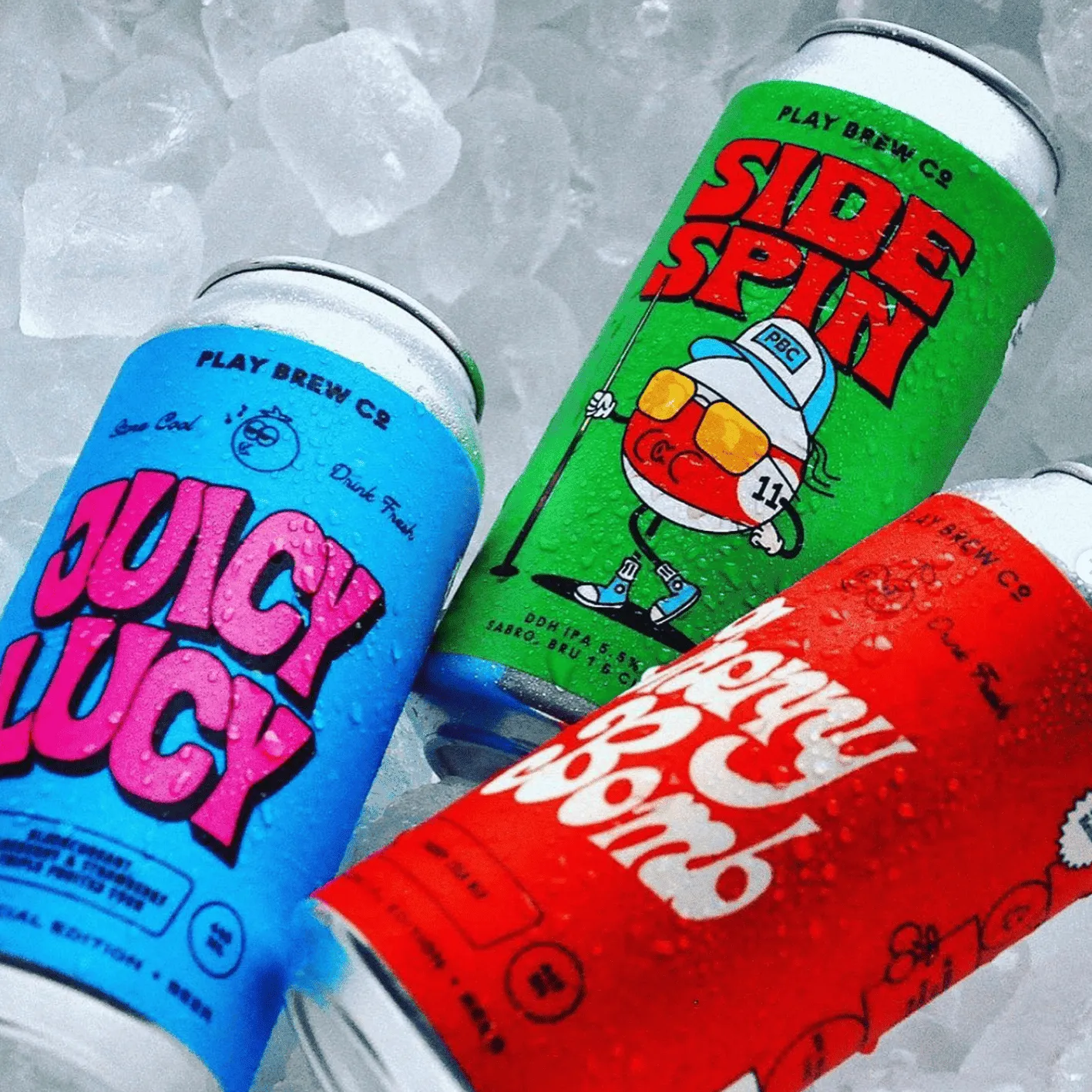
Imagine walking down a grocery aisle flooded with products. What compels you to pause and take a closer look? Often, it’s the label design that first captures attention. Bright colors, bold typography, and unique graphics create a visual magnetism, drawing consumers in for a closer inspection. A well-crafted label stands out like a beacon amid the sea of competitors, making an instant impression that can make or break a purchasing decision.
Communicating Brand Identity
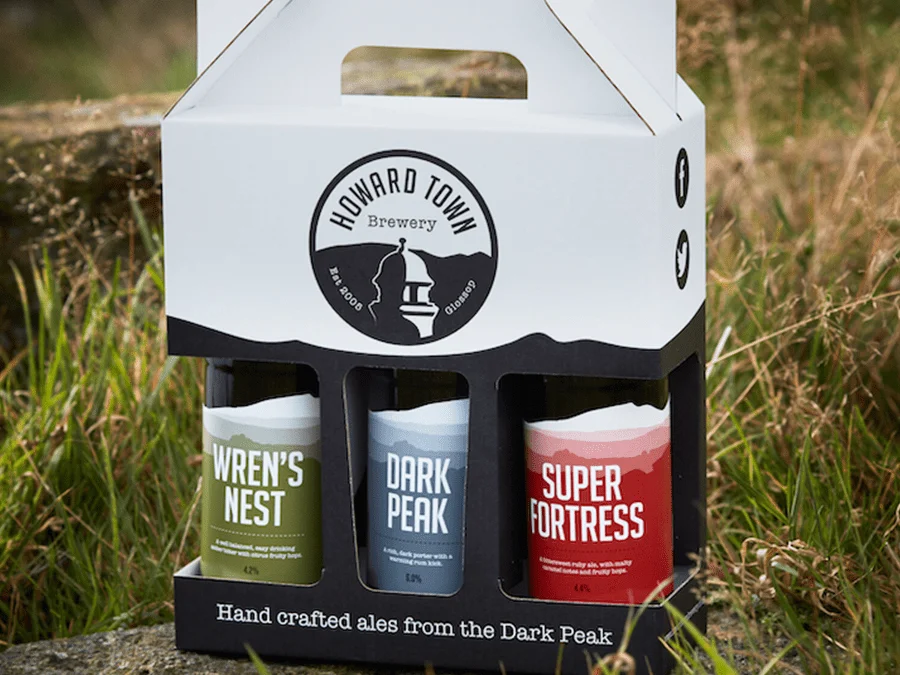
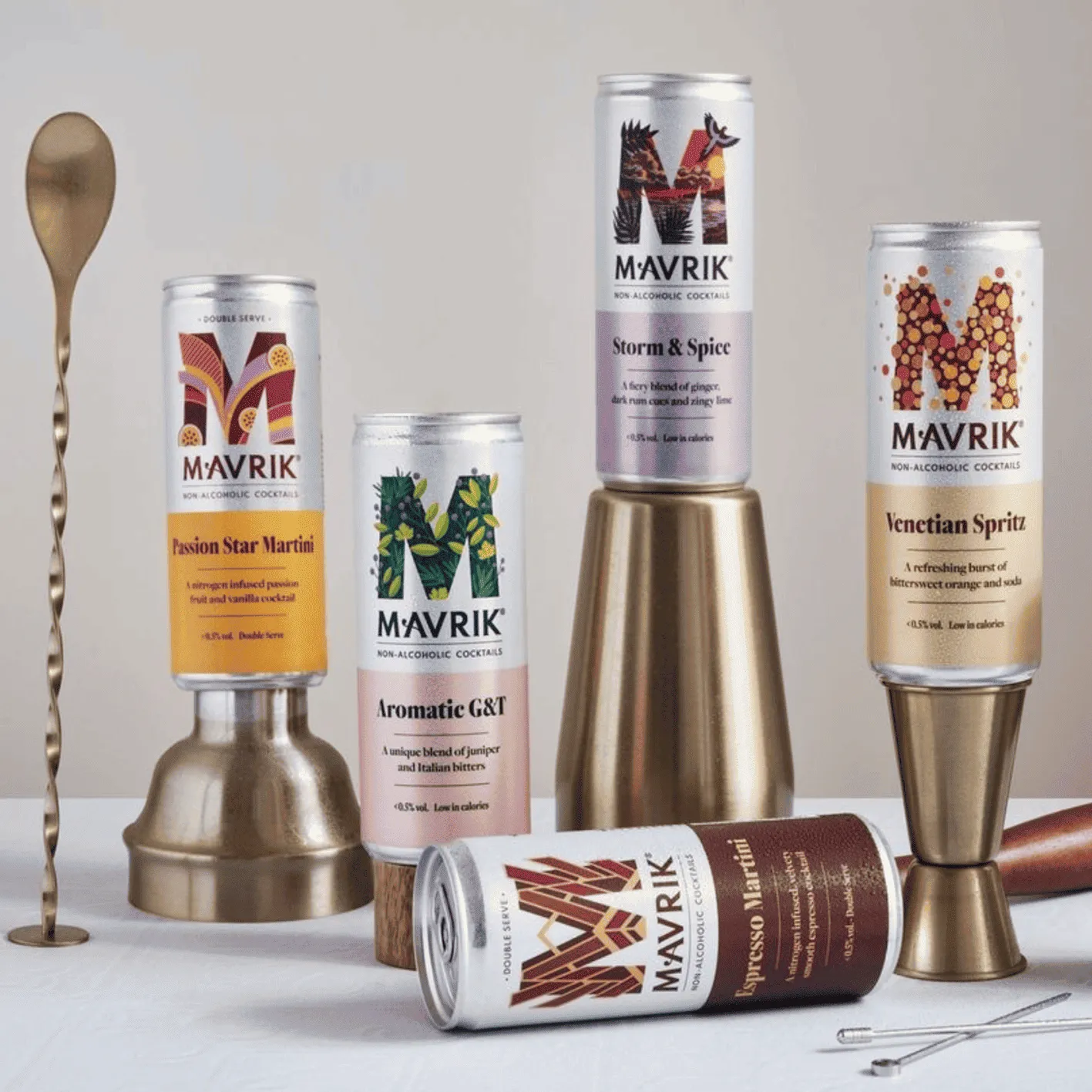
Beyond grabbing attention, labels are an integral part of a brand’s identity. They serve as a canvas for expressing a brand’s personality, values, and story. Whether it’s a minimalist design indicating sophistication or vibrant colors reflecting a fun and youthful brand image, labels communicate with consumers on a subconscious level, forging connections and building brand loyalty.
Influence on Consumer Perception
A label isn’t just an aesthetic addition; it conveys crucial information. From nutritional details to product benefits, the label is a miniature billboard communicating essential information to consumers. A well-organized, clear, and informative label not only aids in the purchasing decision but also builds trust and credibility for the brand.
Navigating Trends and Innovations
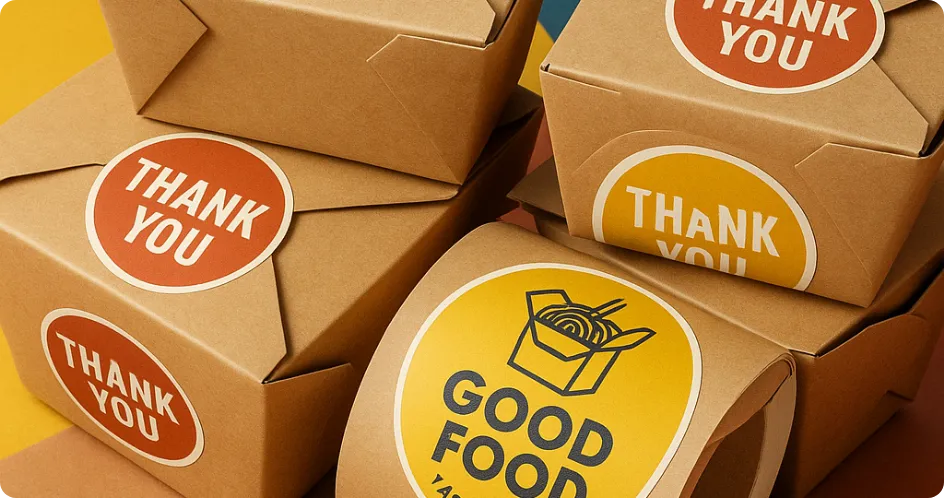
Label design isn’t static; it evolves with trends, technology, and consumer preferences. Brands constantly innovate their label designs to adapt to changing tastes and stand out amidst evolving competition. Embracing eco-friendly materials, incorporating augmented reality elements, or leveraging minimalist designs are just a few examples of how labels evolve to stay relevant and appealing.
Empowering Small Businesses
In a market dominated by big players, label design serves as a leveling ground for smaller businesses. A unique, compelling label can catapult a niche product into the limelight, offering an opportunity for smaller brands to compete and carve their own space on the shelf.
Conclusion
The retail shelf is a battleground where products vie for attention, and label design is the frontline weapon for brands. It’s not merely about aesthetics; it’s a strategic tool that influences consumer perception, builds brand identity, and drives purchasing decisions.
As consumers, we often underestimate the impact of a label’s design on our choices. Yet, in those split seconds where we scan the shelves, it’s the label that beckons us, speaks to us, and ultimately, influences our decisions.
So, next time you’re browsing the aisles, take a moment to appreciate the thought and strategy behind those eye-catching labels, as they represent the fusion of art, marketing, and consumer psychology, all aiming to stand out and win your attention.
.webp)